
Are slot machines truly random? Debunking common myths
The Design of Slot Machines
Slot machines, at their core, are designed to entertain and engage players. The mechanism of these machines is underpinned by a complex combination of technology and psychology. Each machine is equipped with a random number generator (RNG) that determines the outcome of each spin. This RNG operates independently of any external factors, ensuring that every play is purely based on chance, thus creating an experience that is both unpredictable and exciting for players, especially at an online casino accepting neosurf where many enjoy playing. For many, understanding how these machines work can demystify the experience of gambling.
However, the illusion of randomness is often overshadowed by myths that suggest otherwise. Some players believe that machines can be “due” for a payout after a losing streak or that one can predict outcomes based on previous spins. These beliefs are fundamentally flawed. The purpose of the RNG is to ensure that every spin outcome is independent of past results, thus promoting a truly random gaming experience. As a result, the idea of timing or strategy does not have a bearing on the likelihood of hitting a jackpot.
Additionally, various studies have shown that players often experience a psychological phenomenon known as “gambler’s fallacy,” where they mistakenly believe that they can influence or predict random outcomes. This only adds to the confusion surrounding slot machines, leading to misconceptions about how they function. Understanding the underlying technology can help players approach slot machines with clearer expectations about what it means to play a game that relies heavily on chance.
The Role of Probability and Odds
Probability is a critical factor in understanding how slot machines operate. Every machine has a defined payout percentage, typically referred to as Return to Player (RTP). This percentage indicates the amount of money returned to players over a significant number of spins. For instance, a machine with an RTP of 95% will pay back an average of $95 for every $100 wagered over time. However, this does not guarantee any particular outcome for individual players, making each spin distinct and random.
It is essential to recognize that while RTP provides an average, the outcome of each spin can vary significantly in the short term. Players may experience winning streaks or, conversely, prolonged losses, purely as a function of chance. This variance can be misleading for players who expect that consistent play will yield consistent results. Understanding this concept can help manage player expectations and foster a more enjoyable gaming experience.
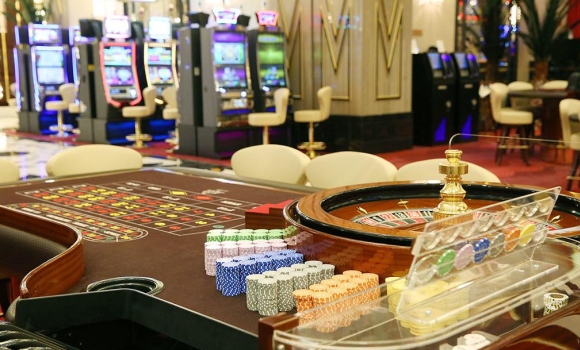
Moreover, the odds of hitting a jackpot are typically much lower than the odds of winning smaller prizes. Many players are lured in by the potential for large payouts, but the reality is that while the chance of winning big is alluring, it remains extraordinarily slim. Thus, while slot machines are designed to entertain, they also serve as a reminder of the randomness inherent in gambling, where every spin could lead to either a win or a loss, allowing players to enjoy the thrill of uncertainty.
Common Myths Surrounding Slot Machines
Several myths persist in the realm of slot machines, leading players to make decisions rooted in misunderstanding. One such myth is the belief that a machine that hasn’t paid out in a while is “hot” or “cold.” This misconception suggests that the machine’s payout nature changes based on recent activity, which simply isn’t true. The RNG makes each spin independent of the last, ensuring that the likelihood of winning remains constant, regardless of previous outcomes. This misunderstanding can lead players to waste time and money on machines they believe are more likely to pay out.
Another common myth is that players can influence outcomes by varying their betting patterns. Many believe that increasing their bet after a loss could lead to a recovery of their funds. However, because of the RNG, no betting strategy can alter the odds of winning or losing. Every spin is a new event, and past results have no bearing on future spins. This reinforces the necessity of understanding the fundamental nature of randomness in gameplay.
Furthermore, players often fall for the notion of “loose” and “tight” machines. This belief posits that certain machines are programmed to pay out more frequently than others. While it’s true that casinos often calibrate machines to achieve a specific payout percentage, this does not imply that players can identify which machines are “loose” or “tight.” Ultimately, each machine operates based on its RNG, and players should be cautious of making decisions based on these myths, as they can lead to frustration and financial loss.
The Psychology of Playing Slot Machines
The experience of playing slot machines extends beyond the simple mechanics of chance; it is also steeped in psychological elements that captivate players. The bright lights, engaging sounds, and fast-paced action contribute to a sensory experience designed to enhance excitement. This thrill can lead to a phenomenon known as “near-miss” effects, where players feel invigorated after close calls with wins. Although near-misses are statistically insignificant, they can evoke a strong emotional response, encouraging further play and reinforcing engagement.

Moreover, the concept of escapism plays a significant role in attracting players to slot machines. Many individuals turn to gaming as a way to escape the stresses of daily life, creating a psychological attachment to the experience. The potential for winning big can amplify this desire, often leading players to attribute personal significance to their outcomes. However, this emotional investment can sometimes blind players to the reality that, at its core, gambling is a form of entertainment rather than a reliable source of income.
Understanding these psychological elements is vital for players who wish to approach slot machines responsibly. Knowledge about the random nature of outcomes and the emotional dynamics at play can encourage healthier gaming habits. Players should view their time spent on slot machines as leisure rather than a means to achieve financial gains, allowing them to enjoy the experience without falling prey to the psychological traps that can lead to problem gambling.
Final Thoughts on Slot Machine Myths
In conclusion, while slot machines are often associated with luck and chance, understanding the mechanics behind them can demystify some prevalent myths. Emphasizing the role of random number generators and the nature of probability can lead to a more informed approach to gameplay. Players should be wary of common misconceptions regarding payouts, strategies, and machine behavior, as these can cloud judgment and lead to unfavorable outcomes.
Additionally, being mindful of the psychological aspects of playing slot machines can foster a healthier approach to gaming. Recognizing these factors encourages players to enjoy the thrill of play while remaining grounded in the reality of randomness. Ultimately, slot machines should be seen as a form of entertainment rather than a means to an end, ensuring a positive experience for those who choose to partake.
For those eager to explore the world of slot machines with a balanced perspective, our website offers extensive resources and insights. From understanding game mechanics to tips for responsible play, we prioritize providing players with the information they need to have an enjoyable experience. As you navigate the fascinating realm of slot machines, remember to approach each spin with a spirit of fun and curiosity, embracing the unpredictability that makes each game unique.



 www.optimizacion-online.com